
Irritability, the Trickster, and Depth Psychotherapy

A Depth Psychotherapy Perspective on Mood Swings
Irritability is one of the most common reasons people seek therapy. It is also a symptom quickly pathologized. Clients often describe feeling edgy, reactive, emotionally volatile, or uncharacteristically impatient. They may worry that something is “wrong” or that they need better emotional control.
From a depth psychotherapy perspective, irritability is rarely random. It often signals the activation of unconscious material. In this post we’ll explore what happens when such psychic energy is not integrated into conscious life. In the symbolic language of the psyche, this energy is often carried by an archetypal figure known as the Trickster.
The Trickster and the Collective Unconscious
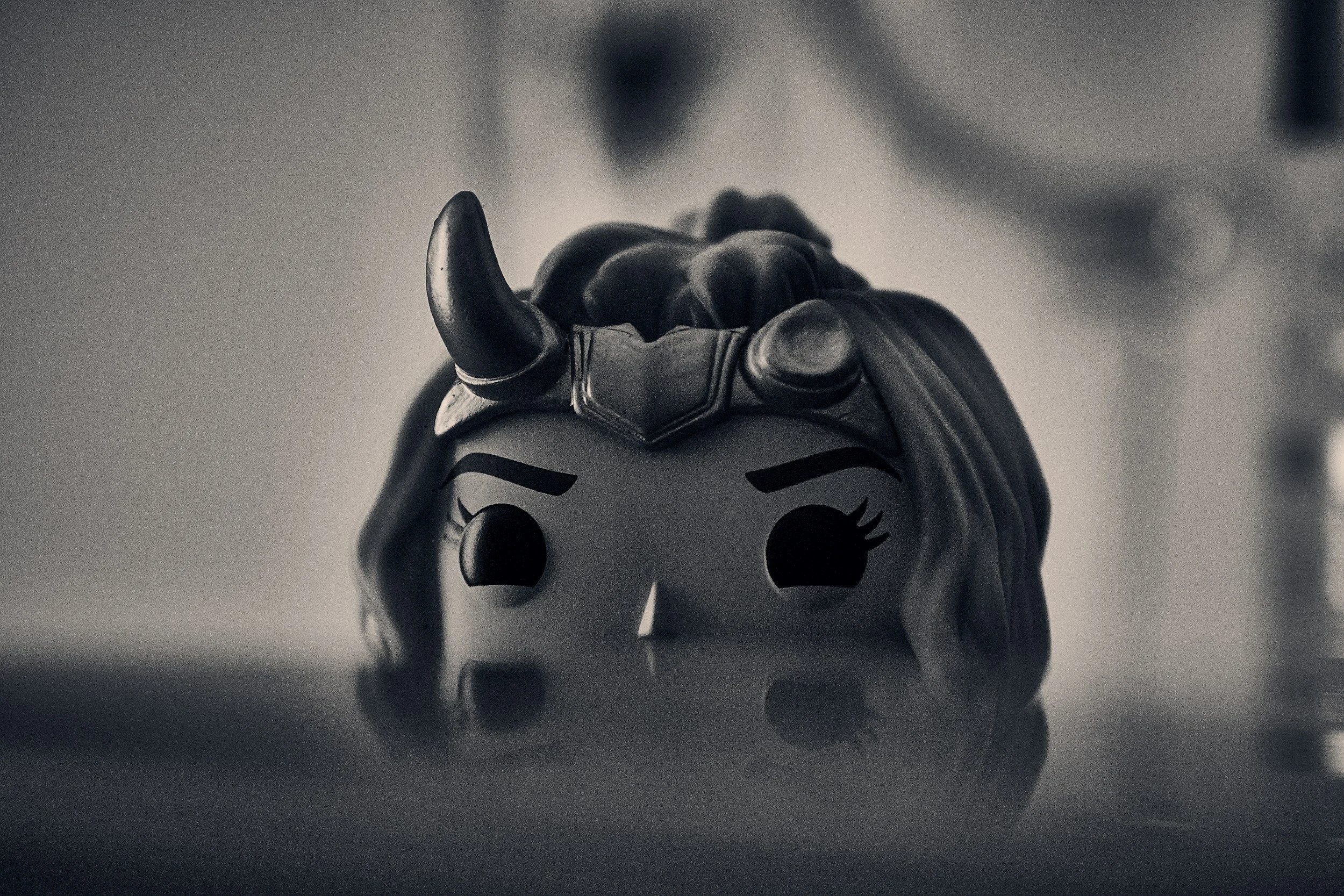
In depth psychology, archetypes are universal patterns within the collective unconscious. They are primordial forms that shape human experience across cultures. The Trickster is one of the oldest and most persistent of these archetypes.
Jung described the Trickster as a figure who is:
Instinctual and disruptive
Morally ambiguous
Emotionally volatile
Both creative and destructive
A bringer of chaos that ultimately serves transformation
We see the Trickster in figures such as Loki, Hermes, Coyote, Raven, and Eshu. Though culturally distinct, these figures share a common psychic function. They destabilize the ego when consciousness has become too rigid or one-sided. In other words, when we are identifying within a too narrow persona.
When Trickster energy is activated in modern life, it shows up as irritability.
Irritability as Archetypal Material, Not Just Symptomology
In depth psychotherapy, irritability is understood as a form of affect. It is charged emotional energy arising from the unconscious. When this energy is not brought into awareness, it tends to act out.
Common contemporary expressions of Trickster energy include:
Snapping at loved ones over minor frustrations
Mood swings that feel out of character
Sarcasm or biting humor
Restlessness, impatience, or emotional whiplash
A sense that “everything is irritating” without a clear reason
From a depth perspective, this is often a sign that the ego is encountering unconscious material it cannot yet metabolize. Said another way, something is off in your world but it is difficult to identify exactly what it is. The irritation is not the problem; it is the signal.
Trickster, Persona, and Shadow
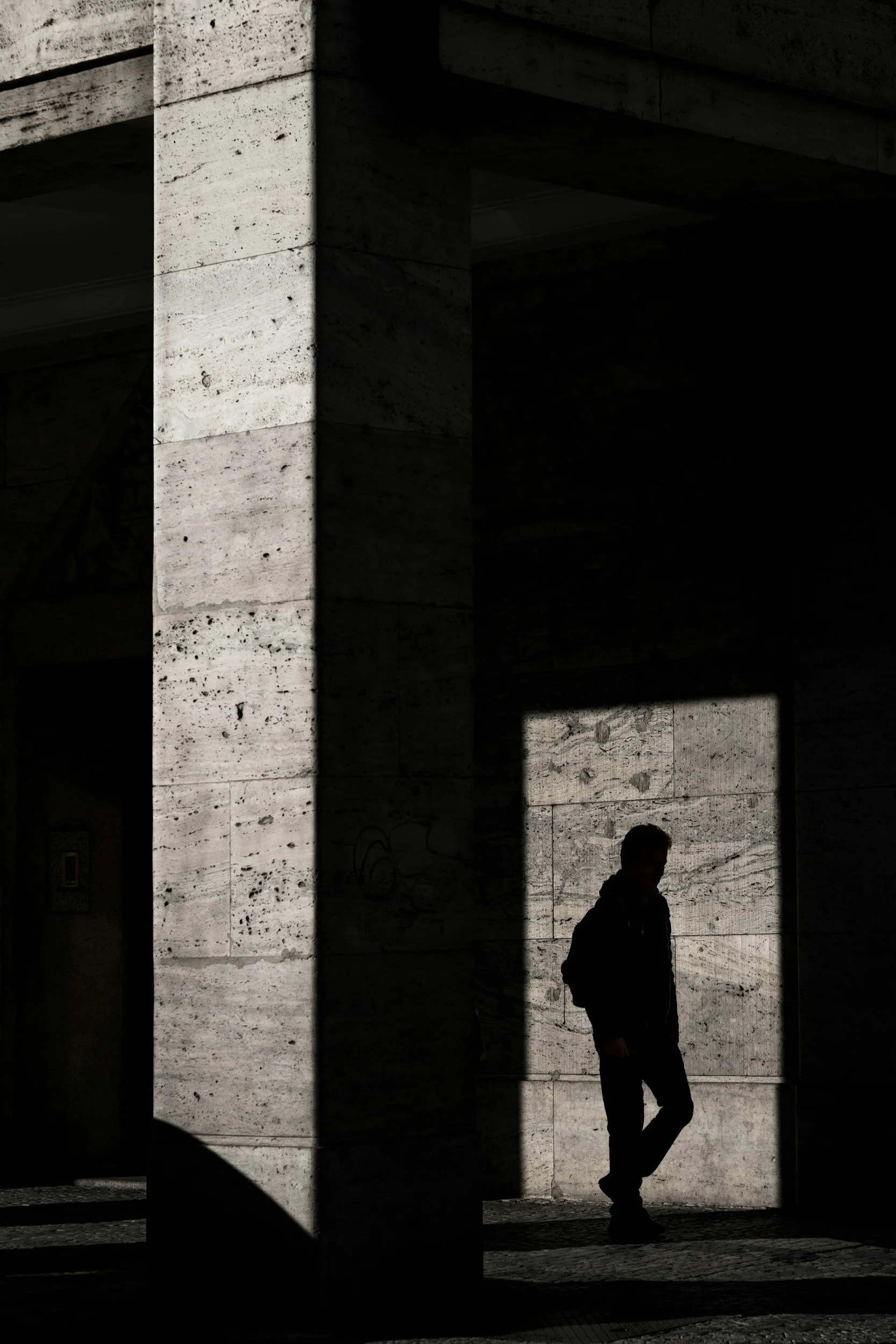
Irritability frequently emerges when there is tension between the persona and the shadow. The persona is the socially adapted self. The shadow is the part of self that contains disowned traits, impulses, and affects.
For many people, especially those who are high-functioning, creative, or relationally attuned, anger, aggression, and ambivalence may live in the shadow. Trickster energy erupts when these qualities are suppressed for too long.
Carl G. Jung observed that when the shadow is not consciously engaged, it appears indirectly. This might look like mood swings, projection, or conflict. Irritability can be understood as shadow material trying to make itself seen.
Why Mood Swings Often Intensify During Transitions
The Trickster archetype is frequently constellated during liminal periods (when old identities are dissolving and new ones have not yet formed). Jung referred to these moments as necessary phases of psychic reorganization.
Examples include:
Career or identity shifts
Creative blocks or breakthroughs
Relationship changes
Parenting transitions
Collective instability or cultural upheaval
During these times, the ego seeks certainty. The unconscious, however, insists on movement. Irritability and mood volatility often arise as the psyche resists premature closure. In depth psychotherapy, mood swings during transition are not viewed as failure, but as evidence that psychic energy is in motion.

The Risk of Suppressing Trickster Energy
Modern culture tends to value emotional consistency, productivity, and calm. As a result, Trickster energy is often met with strategies aimed only at regulation and control.
While nervous system support can be important, depth psychotherapist's cautions against premature symptom elimination. When irritability is immediately smoothed over, its symbolic meaning remains unconscious.
Unintegrated Trickster energy does not disappear. It often returns as:
Chronic resentment
Burnout or emotional flattening
Passive aggression
Depression following prolonged self-control
Jung emphasized that psychological health does not come from eliminating opposites, but from holding the tension between them. The tension is what creates change.
How Depth Psychotherapy Works With Irritability
A depth psychotherapist listens for the archetypal patterns beneath the presenting concerns. Rather than asking how to get rid of irritability, a depth psychotherapist asks:
What is trying to enter consciousness?
Where has life become too narrow or constrained?
What part of the psyche is being suppressed?
This work may involve:
Attending to emotional patterns over time
Exploring images, fantasies, and metaphors
Working with dreams where Trickster figures often appear
Naming complexes that become activated under stress
Allowing contradictory feelings to coexist without forcing resolution
As irritability becomes symbolized, it often loses its compulsive quality. What was acting out begins to speak.
Irritability as a Call to Individuation
In depth psychology, individuation refers to the lifelong process of becoming more whole. The Trickster plays a paradoxical role in this process. It disrupts false adaptations so the psyche can reorganize around greater authenticity.
From this perspective, irritability may be understood as a call to individuation. It's an arrow pointing us to loosen outdated identities. It also often engages us to more fully examine the complexity of our inner life.
Exploring Irritability in Depth Psychotherapy
If you find yourself struggling with persistent irritability or mood swings, it may be worth approaching these experiences with curiosity rather than judgment. What feels disruptive may be meaningful. What feels inconvenient may be necessary.
Depth psychotherapy offers a space to explore irritability as symbolic material. When held within a steady, relational container that allows unconscious material, something new emerges without overwhelming daily life.
If you are curious about working with mood, affect, and the deeper currents shaping your experience using a depth approach, you’re invited to reach out. Sometimes what irritates us most is also what’s trying to lead us forward.