
Why Art and Creativity Matter in Holistic Therapy
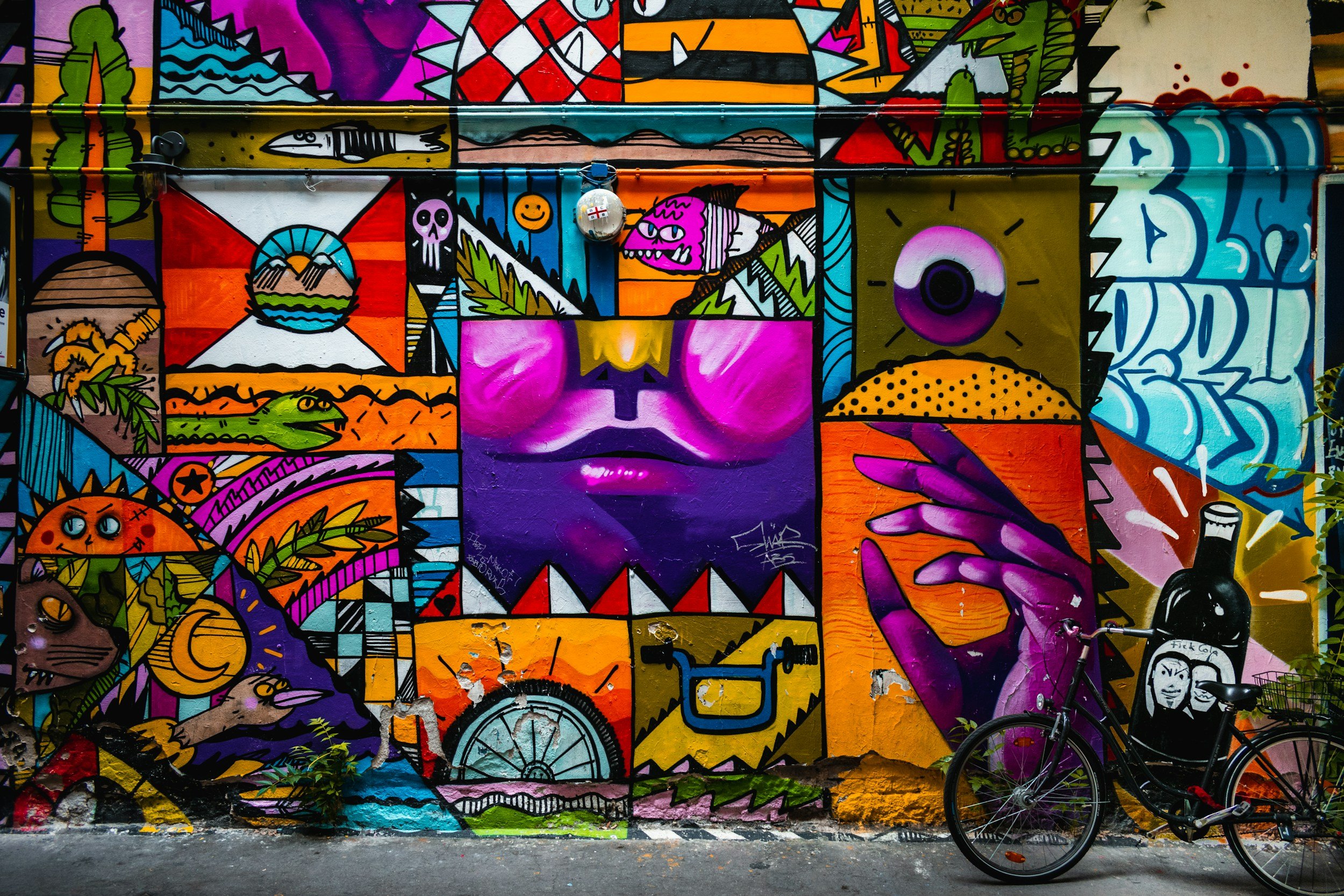
During the recent holiday season, I found myself turning toward art more intentionally. The season is often saturated with expectation about togetherness, gratitude, and ease. Yet for many people it carries grief, conflict, loneliness, or quiet dread. As a therapist, I notice how much goes unspoken during this time. Conversations are quickly steered back toward what is considered appropriate or polite. Avoiding conflict takes priority. Art is a magical place where the unspoken is not only allowed, but necessary.
Therapy for Creatives and the Limits of Polite Conversation
Holistic therapy begins with the understanding that healing does not happen through insight alone. Of course reflection and understanding matter. Real change happens through the body, through symbol, image, and emotional experience. Art and creativity offer a language for what does not fit neatly into conversation. Its a medium to express the feelings we’ve learned are too much, too political, too painful, or too inconvenient to name at the dinner table.
Over the holidays, I found myself drawn to art that refuses politeness. The HBO television series Heated Rivalry, with its charged relational dynamics, lingers in tension rather than pushing into resolution. Desire, competition, vulnerability, and attachment are allowed to coexist without being smoothed over. Watching it, I was struck by how familiar this emotional terrain is in the holistic therapy room. People rarely come in with clean narratives. They arrive with contradictions. Love mixed with resentment. Longing alongside self-protection. Closeness entangled with fear.
In polite conversation, we are often encouraged to flatten these complexities. We’re asked to choose a single, acceptable version of ourselves. Therapy and art offer something different. They allow for multiplicity. Heated Rivalry does not moralize intensity; it explores it. In holistic therapy, this shows up as we practice staying present with emotional charge. Taking a pause and breath, rather than rushing toward understanding or resolution.
Why Art Matters in Holistic Psychotherapy

A visit to LACMA to see Tavares Strachan’s installation The Day Tomorrow Began sharpened this idea for me. Strachan’s work explores what has been historically excluded. He drives home that what has been erased still matters. While moving through the exhibit, I stepped into The Wash House painted over entirely in gray. I unexpectedly encountered three a cappella singers/actors. Their voices filled the small space, harmonies echoing off the walls.
It was intimate, disorienting, and profoundly moving. There was no stage, no announcement, no instruction on how to receive the moment. I felt it in my chest before I could make sense of it cognitively. It disrupted the unspoken rules of public space—what we expect to happen, where, and how quietly. In that moment, the boundary between observer and participant dissolved. I was not just seeing the exhibit; I was inside it.
This experience stayed with me because it illustrates something essential about therapeutic work. So much of what needs healing does not arrive politely or on schedule. It emerges in unexpected places. We often notice it in the body first, asking to be felt before it can be understood. Holistic therapy makes room for these moments when something long held suddenly finds voice.
Strachan’s work also challenges linear ideas of healing. The Day Tomorrow Began suggests that the future is shaped by what we are willing to remember and re-encounter. In therapy, healing is not about moving on in a socially acceptable way. It is about allowing what has been disallowed—grief, rage, longing, truth—to enter consciousness so it no longer has to speak through anxiety, depression, or chronic tension.
Holding Emotional Complexity in Holistic Psychotherapy
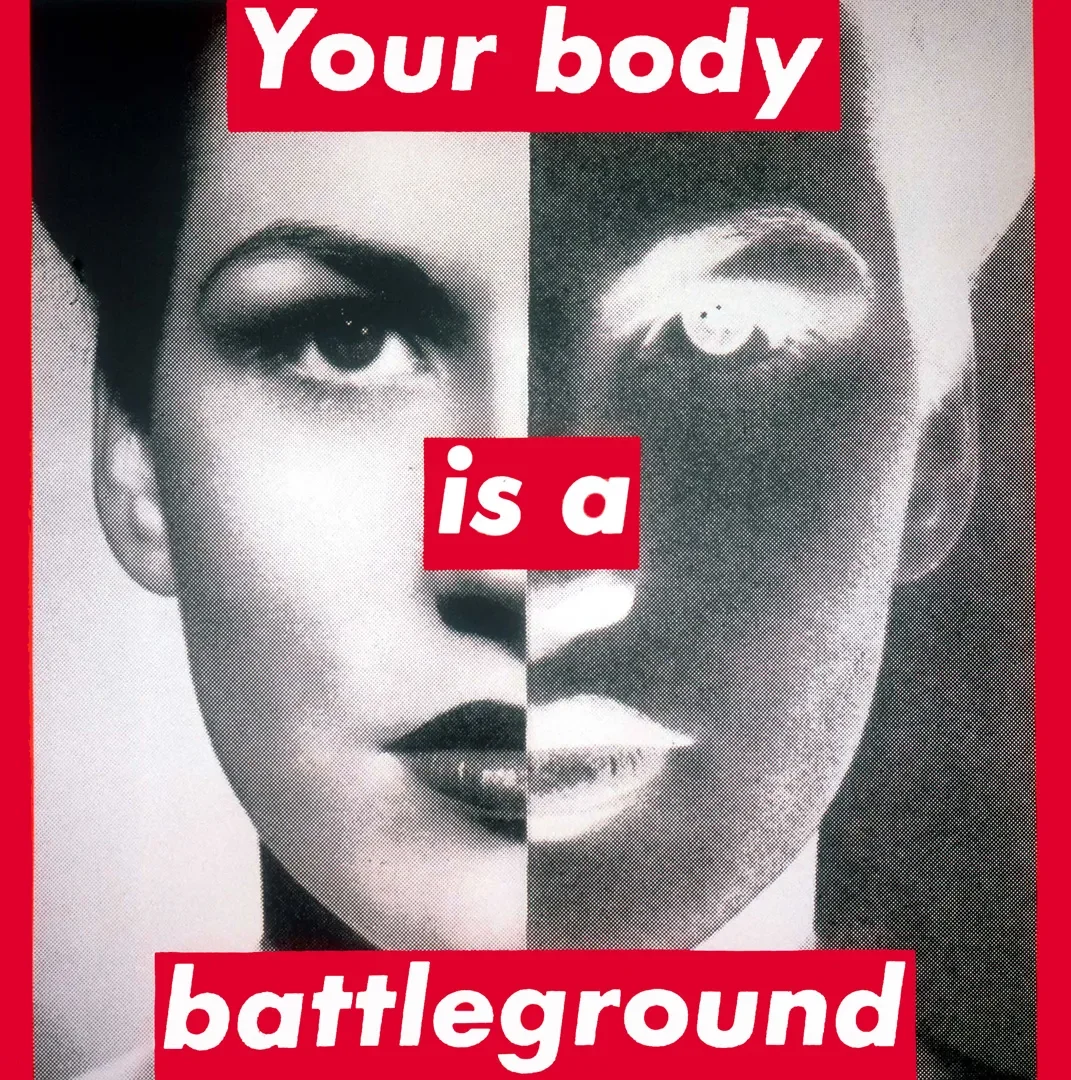
Similarly the art work of Barbara Kruger confronts another layer of what polite conversation often avoids: power. Her bold textual interventions are direct, declarative, and unapologetic. The combination with image interrupts internalized cultural scripts. Phrases like “Your body is a battleground” refuse neutrality. They expose how personal suffering is entangled with systems of control, gendered expectations, and inherited beliefs.
As a therapist, I often sit with people who believe their distress is purely personal. I frequently hear, "I should be able to fix if I just try harder." Kruger’s work is similar to the therapeutic moment when a client begins to see that their struggle did not arise in isolation. Creativity helps externalize these beliefs. Once they are visible, written, spoken, or drawn, they can be questioned. Then something new emerges and perhaps they are no longer unconsciously obeyed.
Somatic Healing Through Creative Experience
From a somatic psychotherapy perspective, engaging with art also shifts the nervous system. It slows us down. It invites sensation, resonance, and emotional movement. The a cappella voices in the Strachan's The Wash House did this instantly for me. The presence of these actors bypassed any analysis and took me straight into feeling.
Creativity in therapy is not about talent or performance. It is about permission. Permission to speak out of turn. Permission to feel what does not belong in polite conversation. Whether through journaling, image-making, or structured processes like The Artist’s Way, creativity creates a container where honesty is not only safe, but generative.
Creativity As A Path To Wholeness
Holistic therapy honors the full range of human experience. It doesn't exclude what is not palatable. Art reminds us that healing is not about becoming more agreeable or more resolved, but about becoming more whole. When we allow creativity into the therapeutic process, we make space for what has been waiting for a chance to be heard.

Artists, writers, and performers often carry a sensitivity that allows them to perceive what others overlook. When self-doubt, creative blocks, or overwhelm arise, they are not signs of failure, but signals that something deeper is asking for attention. Holistic therapy for creatives honors this inner terrain, offering a space to approach the inner critic with curiosity, reconnect with authenticity, and make room for expression that feels true.
If you are a creative seeking support that holds both your emotional life and your creative process, holistic psychotherapy can offer a steady, attuned companion along the way.
At Rezak Therapy, we work with creatives to support healing, depth, and creative vitality. You’re welcome to reach out when you’re ready to begin.