
Six Tips for Being With Family During the Holidays
The holidays can bring warmth, connection, nostalgia. They also can bring stress, old triggers, and resurfacing family dynamics we thought we’d outgrown. Even the most grounded adults notice themselves shifting into childhood roles when the family gathers. As a holistic therapists, we often hear clients express dread mixed with hope: “I want the holidays to feel good, but my family can be so activating.”
You’re not alone. The holidays are a real-time immersion into the family system that shaped you. Understanding these patterns can help you move through the season with more clarity, compassion, and intention.
Family Systems: The Invisible Dynamics at the Table
Every family operates as a living system. All family systems have spoken and unspoken rules, emotional patterns, and survival strategies. The holidays often invite you to step back into a system that has been influencing you since childhood.
Common family system dynamics include:
Homeostasis. Families unconsciously try to maintain the same emotional balance they always have. Even if it’s unhealthy.
Triangulation. When tension rises between two people, a third person gets pulled in to reduce anxiety.
Fusion or cutoff: Some families cope through enmeshment; others through emotional distance.
Seeing these dynamics clearly helps you depersonalize them. It’s not just you reacting—it's the system operating.
Roles and Rules: Who Were You Expected to Be?

Children adapt to the family environment by taking on roles. These are sometimes explicitly assigned, and often unconsciously inherited. Even as adults, we can slip back into these identities when we’re with family.
Common roles include:
The Responsible One: The planner, the fixer, the emotional caretaker
The Scapegoat: The one who absorbs blame or tension
The Peacekeeper: The one who smooths conflict, even at their own expense
The Achiever: The one who strives, performs, and earns approval
The Invisible One: The quiet observer who disappears to avoid chaos
Alongside roles are the rules. What did your family teach you about emotions, conflict, and connection?
“Don’t upset anyone.”
“We don’t talk about feelings.”
“Stay positive.”
“Keep secrets.”
“Don’t be too much.”
Recognizing these roles and rules doesn’t mean rejecting your family. It means understanding yourself better and reclaiming your agency.
Triggers: Why Old Wounds Feel Fresh During Holiday Season
You may feel a surge of emotion—anger, shame, shutdown—even before the first gathering begins. Triggers often emerge from:
Tone of voice that echoes childhood experiences
Comments about your career, body, relationship, or choices
Siblings slipping into old patterns of rivalry or comparison
Pressure to comply with family expectations
Old stories about who you “should” be
When a trigger hits, it’s rarely about the present moment. It’s about the younger part of you who remembers a wound, a fear, or a longing. These parts deserve compassion, not judgment.
Addiction in the Family

If addiction is or was present in your family, it adds complexity to holiday gatherings. Addiction affects the entire system, shaping everyone's roles and rules.
Common patterns include:
Walking on eggshells around the person struggling
Trying to manage their behavior to prevent drinking, conflict, or escalation
Taking responsibility for someone else’s emotions or choices
Feeling guilt about setting boundaries
Pressure to “pretend everything is fine”
If you come from a family touched by addiction, the holidays may magnify emotions.
Six Coping Strategies: Staying Grounded, Connected, and True to Yourself
You can’t control your family system—but you can support your own well-being as you move through it. Consider these holistic strategies.

1. Identify Your Roles Before You Arrive
Ask yourself:
What role did I used to take on in my family?
Do I want to play that role now?
Naming it builds choice.
2. Prepare for Expected Triggers
Make a plan for:
Which topics you want to avoid
Who you need space from
What boundaries support your nervous system
Preparation is not pessimistic—it’s protective.
3. Use Somatic Grounding Throughout the Day
Helpful tools include:
Placing a hand over your heart or belly
Slowing your breath
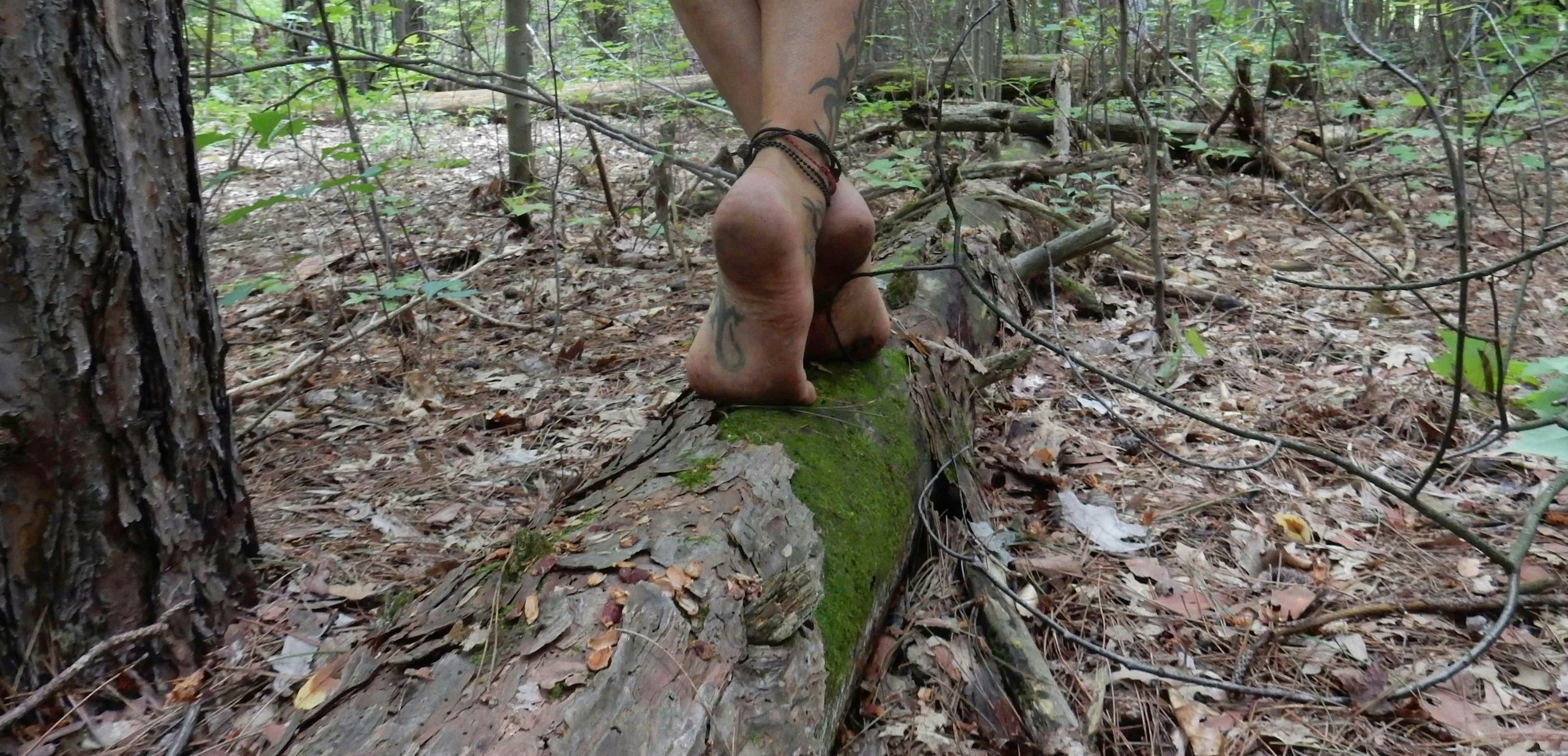
Feeling your feet on the ground
Taking short breaks outdoors
Orienting to your surroundings (look around, gently notice colors, shapes, light)
Your body can be your anchor.
4. Set Clear, Compassionate Boundaries
Some examples:
“I’d rather not talk about that.”
“I’m going to step outside for a moment.”
“I can’t stay for the whole evening, but I’d love to drop by for a bit.”

Boundaries don’t disrupt families; they help stabilize them.
5. Create Emotional Exit Routes
This might look like:
Having a trusted friend on standby
Taking a walk
Driving yourself instead of carpooling
Scheduling alone time before or after gatherings
Your nervous system will appreciate the plan.
6. Give Yourself Permission to Have Mixed Feelings
It’s okay to feel love and frustration at the same time. It’s okay to feel grief in the presence of joy. It’s okay to take care of yourself, even when others don't understand.
Moving Through the Holidays With More Compassion
Being with family during the holidays is not just a social event. It's a return to the emotional ecosystem that shaped you. With awareness, grounding, and gentle boundaries, you can stay connected to yourself while still engaging with those you care about.
And if old pain or family patterns feel activated this season, support is available.
Other Services Offered at Rezak Therapy in Pasadena, CA
At Rezak Therapy, we're here to help you align with your most authentic self. Holistic therapy approaches include talk therapy, somatic therapy, and depth therapy. We also offer services for those struggling with post-traumatic stress, individuals dealing with anxiety or depression, couples looking to increase intimacy in their relationships, and The Artists Way Workshop which is a 12-week adventure of artistic discovery and personal exploration. For more on holistic psychology and our other services check out our blog.