
Winter Solstice Reflections
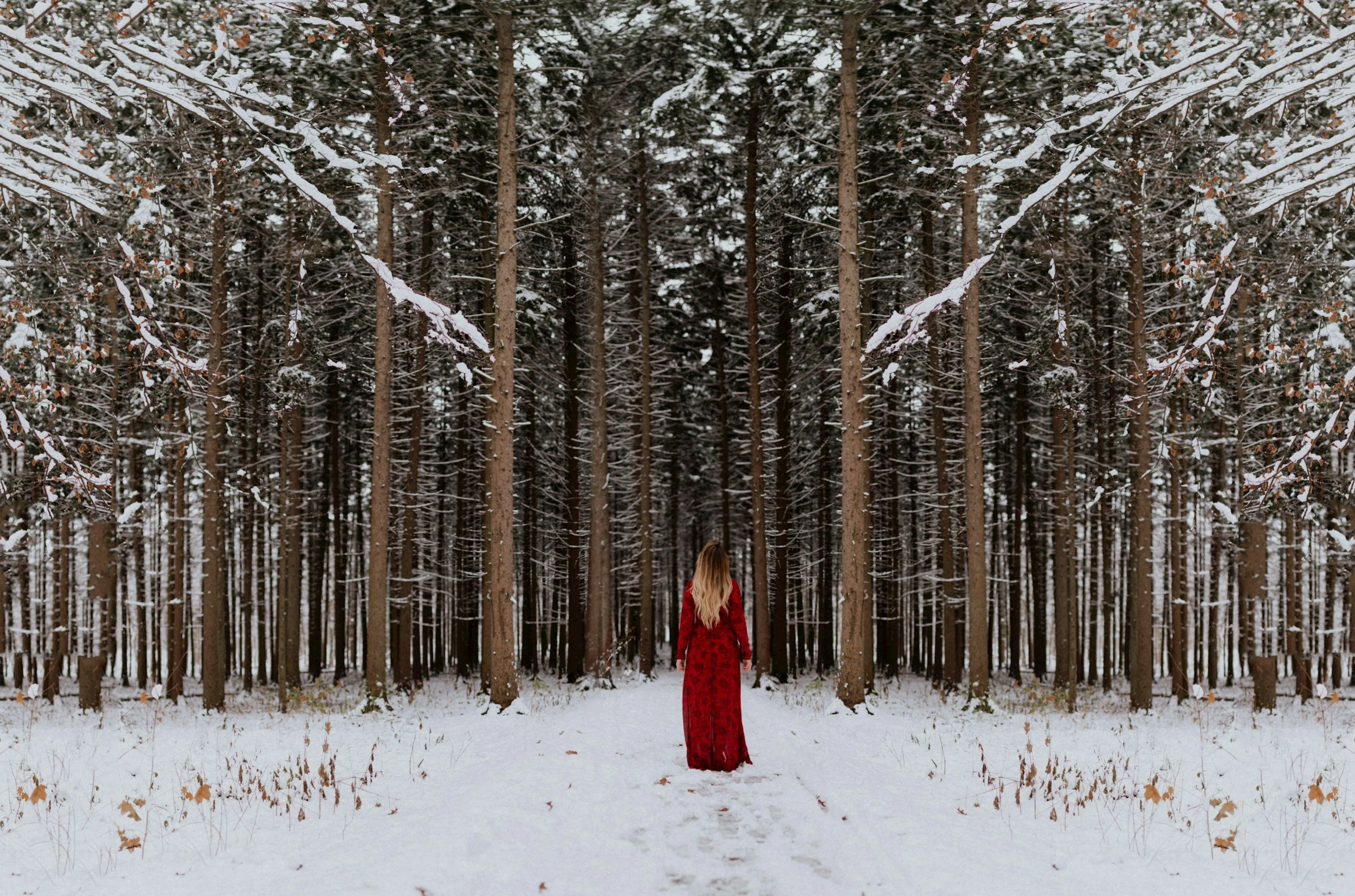
The winter solstice marks the longest night of the year. It is a seasonal and psychological threshold. This year, December 21st brings a moment when darkness reaches its fullest expression before the light begins its slow return. Across cultures and centuries, the solstice has been honored as a time to slow down.
From the perspective of depth psychotherapy, the winter solstice carries deep symbolic meaning. It invites us inward, toward reflection, toward the unconscious. It brings quieter movements of the soul that are often drowned out by daily demands. As a Pasadena therapist, I often see how this time of year mirrors what many people are experiencing internally: exhaustion, grief, longing, and a desire for something more sustainable.
The Green Knight and Winter Solstice
I visited Vidiots in Eagle Rock last night to watch David Lowery’s fantasy film The Green Knight. It was a beautiful way to illuminate the meaning of the winter solstice. Like the solstice, Sir Gawain’s journey begins with a confrontation that pulls him into uncertainty, fear, and moral testing. The Green Knight, bound to nature and cyclical time, embodies the paradox of winter itself. He is death and renewal held together. He is the darkness that quietly contains the promise of return.
As Gawain moves through barren landscapes and long silences, the film mirrors the inner work winter often asks of us. His struggle to live up to ideals of honor reveals the tension between who we hope to be and who we are when tested. Like the stillness of the solstice, his journey slows him enough to face vulnerability and imperfection. Transformation comes by facing the darkness and allowing it to change us.
The Winter Solstice and the Unconscious
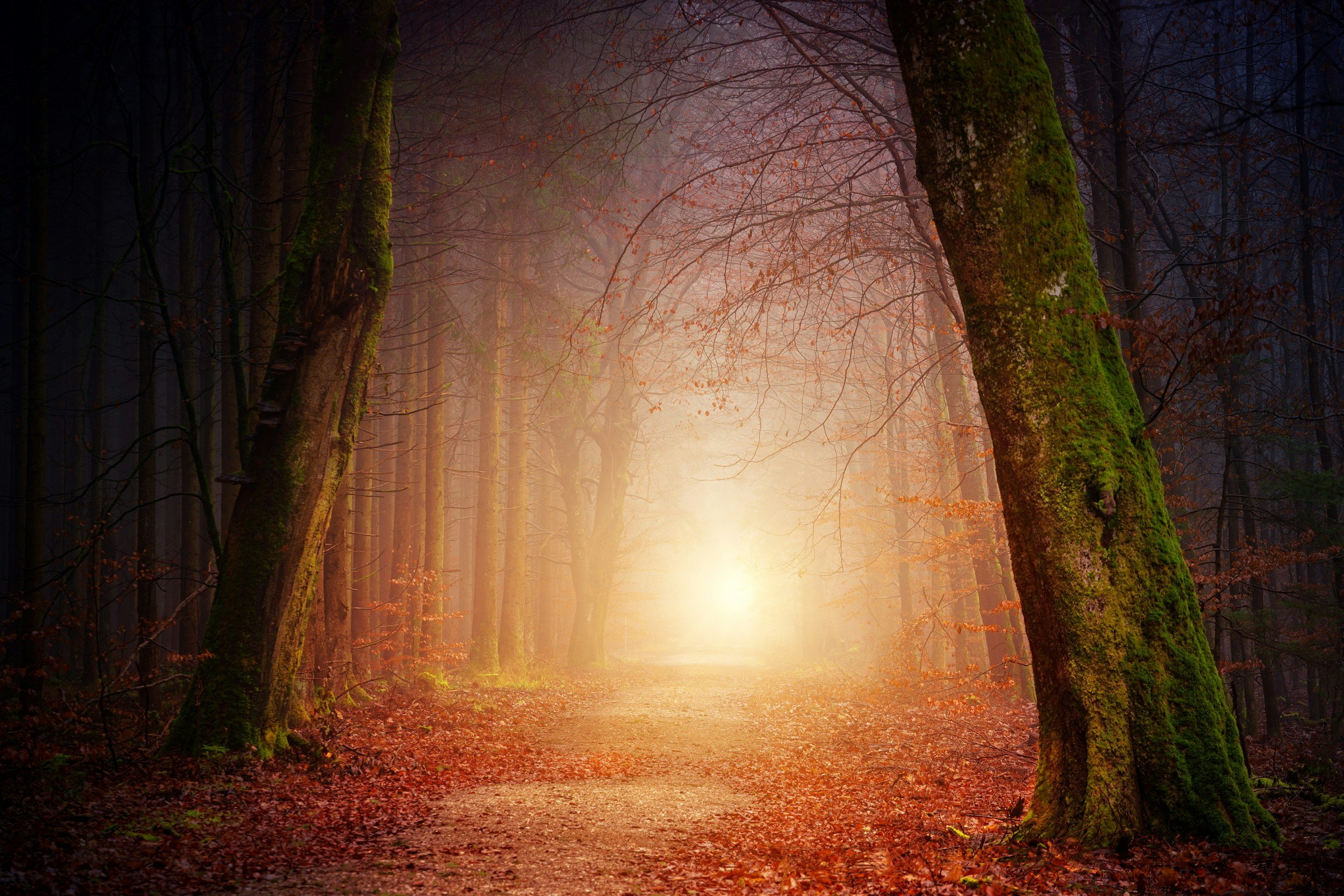
In depth psychotherapy, darkness is an inevitability awaiting exploration. It represents the unconscious. In other words, it symbolized the parts of ourselves that live outside awareness. These parts often shape our emotions, relationships, creativity, and sense of meaning. Winter offers a natural pause, creating space for these hidden aspects to emerge.
During this season, people often report more vivid dreams and stronger emotional reactions. Rather than viewing this as regression, depth psychology understands it as a natural opening. When the outer world quiets, the inner world has more room to speak.
The winter solstice reminds us that insight does not always arrive through effort. Sometimes it arrives through stillness.
Burnout, Seasonal Rhythm, and the Body
Many individuals seeking therapy in Pasadena are navigating chronic burnout. Life in Los Angeles often results in long-term stress, overfunctioning, and disconnection from natural rhythms. Winter can intensify this experience. This is particularly true when we maintain the same pace we had during summer months.
Somatic psychotherapy emphasizes listening to the body’s cues. In winter, the nervous system naturally seeks more rest, warmth, and containment. Ignoring these signals can deepen fatigue, anxiety, and emotional numbness. Honoring them, however, can support regulation and healing.
Small changes matter. The holidays make it hard to do these, but they are worth a try. Allow yourself slower mornings. Reduce unnecessary commitments. Spend more time in quiet or nature, and notice how your body responds when you soften rather than push. These are not indulgences; they are acts of care that support the nervous system and the psyche.
The Soul’s Need for Darkness

The winter solstice teaches us that growth often happens beneath the surface. Seeds germinate underground. Roots deepen in darkness. The soul, too, requires periods of rest, withdrawal, and unknowing.
If you are in a season of uncertainty—emotionally, creatively, or spiritually—the solstice offers reassurance. Not all phases of life are meant to be expansive or luminous. Some are meant to be inward, quiet, and gestational.
Depth psychotherapy provides a container for this kind of work. It allows space for grief, longing, and complexity without rushing toward resolution. It honors the soul’s timing rather than imposing productivity or positivity.
Creativity, The Artist’s Way, and Winter Reflection
Winter can also be a powerful time for creative reconnection. When external demands lessen, many people find that creativity begins to re-emerge—not as output, but as listening.
The Artist’s Way, by Julia Cameron, offers a structured, reflective approach to reconnecting with intuition, creativity, and inner voice. Offered as a creativity workshop, it aligns naturally with the introspective energy of the winter solstice. It supports participants in cultivating curiosity, self-compassion, and creative flow. Rezak Therapy offers The Artist's Way Workshop each January for this reason.
Creativity, like psychotherapy, is not about forcing light. It is about making space for what wants to emerge from the unconscious.

A Gentle Solstice Reflection
You might take time during the solstice to reflect or journal on these questions:
What feelings or truths have been living just beneath my awareness?
Where is my body asking for rest rather than effort?
What small ember of hope, curiosity, or creativity do I sense—even faintly?
There is no need to force answers. Let them arise slowly, in their own time.
Moving Through Winter With Support in Pasadena
Winter can be an especially meaningful time to begin individual therapy. If you are curious to learn more about family patterns, nervous system regulation, or engaging with creativity, we can help.
Working with a depth and somatic psychotherapist can provide grounded support. Individual therapy and The Artist’s Way Workshop at Rezak Therapy offer spaces to tend both psychological healing and creative renewal. Please reach out for a free phone consultation.
Even in the longest night, the turning toward light has already begun.