Walk into almost any used bookstore or glance at the nightstand of a friend in a creative rut, and you will likely find a copy of Julia Cameron’s The Artist’s Way. It is a brilliant framework. Yet, a massive percentage of people who buy the book stop reading around Chapter Two or Three. They do their Morning Pages for a week, hit a wall of resistance, and quietly put the book away.
If this has happened to you, it is easy to internalize it as a personal failure. You blame a lack of discipline, a busy schedule, or a definitive deficit in talent.
From a relational and psychological standpoint, however, your solitary stoppage makes perfect sense. Creative recovery is inherently emotional work. Human beings are not wired to process deep emotional shifts in isolation. Julia Cameron encourages forming creative clusters to work through the book in a group.
The Cleverness of Creative Resistance
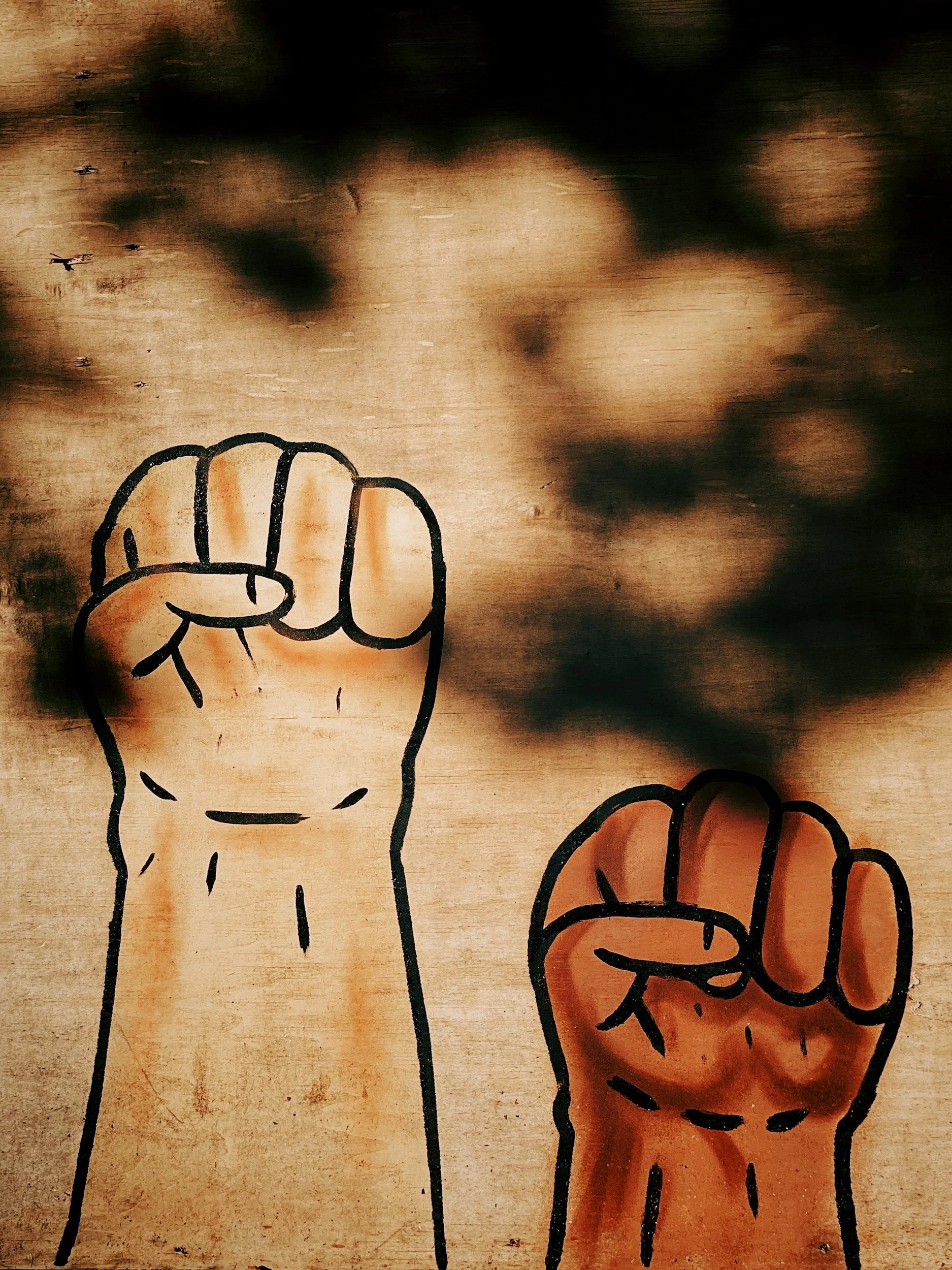
In depth therapy, we view resistance as a protective mechanism. When you begin to dismantle your creative blocks, you are challenging long-standing psychological defense structures. You are confronting the inner critic that kept you safe from rejection. You are asking your vulnerable, authentic self to step forward.
Jungian analyst Donald Kalsched refers to this protective matrix as the self-care system. When a person experiences overwhelming expectations, or a failure to be truly seen, the subconscious splits. It locks away the vulnerable core of the self in an inner sanctuary to keep it safe from a harsh world.
To guard that sanctuary, an inner protector takes over. Ironically, this protector often manifests as a fierce inner critic. Kalsched notes that the primary purpose of this self-care system is to keep the innocent core of the self from further suffering. The system works brilliantly for survival in childhood. In adulthood, it becomes an inner prison. It treats your desire for creative growth as a dangerous threat. It deploys intense resistance to shut you down before the world can criticize you.
When you attempt creative recovery completely alone, your internal self-care system has a home-turf advantage. It knows exactly how to talk you out of your expansion. It waits until you feel tired, overwhelmed, or slightly exposed. Then it whispers highly rational reasons to stop:
"You don't have time for this today."
"This exercise is silly, it won't actually change anything."
"You have more important, practical responsibilities to handle."
Without external reflection, these thoughts feel like absolute facts. Isolation gives your resistance the space it needs to keep you blocked. It manages to keep your vital creative nature safely locked away from the world.
The Interpersonal Neurobiology of Shared Witnessing
This is where the magic of a structured group container changes the dynamic. In psychological terms, shared witnessing heals relational and creative wounds.
Imagine this scenario. You vocalize your deepest creative fears out loud. You look around the room and see eight other people nodding in understanding. Something fundamental shifts in your nervous system. Shame thrives in secrecy and isolation. By sharing your blocks in a safe, facilitated environment, the shame dissolves.
Healing happens in relation to others. Your inner critic loses its power when its arguments are gently challenged by the collective reality of a supportive group. The container acts as an external nervous system regulator. It holds the anxiety of your growth until you are strong enough to hold it yourself.
Accountability Without Performance
Many analytical professionals worry that a workshop will introduce a new layer of pressure. They fear judgment, performance reviews, or being forced to produce "good art."

Our workshop operates on the exact opposite principle. The group provides gentle, relational accountability. You show up exactly as you are—whether you completed every exercise that week or struggled to pick up a pen. The goal is the process, not a final product.
By committing to a 12-week process, you build a boundary around your recovery. You are no longer relying solely on your own willpower to fight through the resistance. You are relying on the collective momentum of a community moving toward the same horizon.
Step Out of Isolation
Do you have a half-finished copy of The Artist's Way gathering dust? Are you are ready to explore your vitality? You do not have to walk this path alone. True transformation requires a witness.
Join Our Next 12-Week Circle
We are opening registration for our upcoming The Artist's Way Workshop. To ensure deep safety, mutual support, and meaningful connection, spaces are strictly limited.